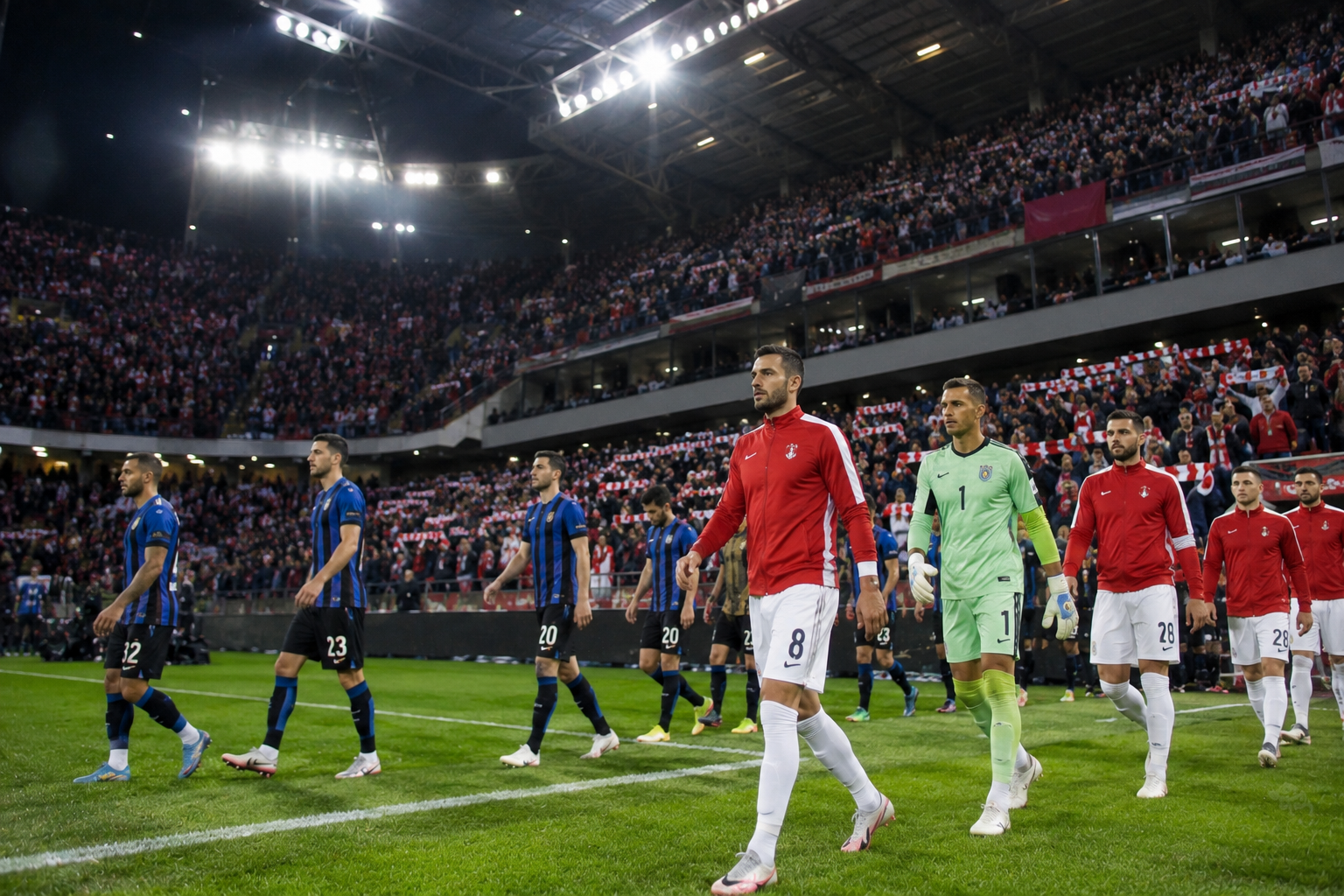
European football is much more than a collection of domestic championships. It is a constantly evolving sporting environment where different traditions, tactical philosophies and club ambitions meet. A managerial appointment in one country can influence the transfer market elsewhere, while an emerging player from a smaller competition may soon become one of the most discussed names in international football. For supporters who want to understand these developments, новости европейского футбола provide a way to follow the stories connecting clubs, players and competitions across the continent. Behind every headline lies a wider picture of sporting ambition, financial decisions, cultural identity and the changing nature of the modern game.
A Continent of Different Football Traditions
One of the defining characteristics of European football is its diversity. Although clubs compete under broadly similar rules, the traditions surrounding their competitions have developed in different historical and cultural environments.
English football is often associated with intense atmospheres, physical commitment and a demanding pace. The country’s clubs have built a strong international following, while its domestic competition attracts players and managers from across the world. Spanish football has a different historical identity, with many clubs recognised for technical development, intelligent passing and an emphasis on controlling possession. Italian football carries a particularly rich tactical heritage, where defensive organisation, positional discipline and strategic preparation have long influenced the game.
German football is widely admired for its energetic approach, strong supporter culture and emphasis on collective organisation. French competitions, meanwhile, have become important environments for developing young players, combining technical education with opportunities for emerging talent to enter professional football.
These descriptions represent broad tendencies rather than strict rules. Modern coaching has made European football increasingly interconnected. Ideas developed in one league can quickly influence teams in another, and managers frequently adapt their systems according to the qualities of their players.
Nevertheless, the individual character of each competition remains an important part of its appeal. Following European football means exploring several interpretations of the same sport.
Club Rivalries and the Importance of Identity
European football has a long history of rivalries that extend far beyond the boundaries of the pitch. Some are based on geographical proximity, while others reflect historical competition, social identity or contrasting sporting traditions.
A local derby can represent decades of shared experiences between neighbouring communities. Supporters may inherit their club loyalties from parents and grandparents, making every meeting with a traditional rival an emotionally significant occasio In other cases, rivalries develop through repeated encounters in championship races or continental tournaments.
These relationships influence the atmosphere surrounding football. A match between two historic opponents is often discussed long before kick-off, with supporters examining team form, previous meetings and the possible consequences of the result. The emotional significance of the fixture can remain even when the clubs occupy different positions in the league table.
Club identity is also shaped by stadiums, colours, symbols and supporter traditions. These elements create a sense of continuity between different generations. Players and managers may change, but the history associated with a club remains part of its character.
Understanding these cultural connections helps explain why European football attracts such passionate audiences. The sport is not simply a commercial competition; it is also a form of community expression.
The Tactical Evolution of European Competitions
Tactical development is one of the most interesting stories in contemporary European football. Formations that once appeared revolutionary can gradually become common, while new approaches emerge as coaches search for ways to gain an advantage.
High pressing has become an influential feature of many teams. Instead of allowing opponents to build attacks comfortably, players attempt to recover possession close to the opposition goal. This requires coordinated movement, excellent physical preparation and a clear understanding of when to apply pressure.
Another important development is the growing flexibility of player positions. Full-backs may move into central midfield areas during possession, while attacking midfielders can drop deeper to help construct play. Some teams use centre-backs who are comfortable carrying the ball forward, creating additional passing options during the build-up.
These changes make football more difficult to describe through traditional formations alone. A team listed as playing with four defenders may adopt a completely different structure when it has possession compared with when it is defending.
European competitions provide an especially interesting environment for observing these tactical differences. Clubs from different leagues meet in continental tournaments, bringing contrasting approaches into direct competition. A team accustomed to dominating possession may face an opponent that specialises in compact defending and rapid counterattacks. The result often depends on which side adapts more effectively.
The Transfer Market and the International Movement of Talent
Player recruitment has become one of the most influential forces shaping European football. Clubs increasingly operate within an international market, identifying talent from different countries and evaluating how individual players might fit into a particular sporting project.
The process involves far more than examining goals and assists. Recruitment departments consider tactical compatibility, physical characteristics, technical skills, age, injury history and the player’s ability to adapt to a new environment. A forward who performs exceptionally well in one league may need time to adjust to the intensity and defensive organisation of another competition.
Financial considerations are equally important. Transfer fees, salaries, contract duration and potential resale value influence decisions at every level of the market. Wealthier clubs may be able to compete for established international stars, while smaller organisations often focus on discovering promising players before their market value increases.
This creates a complicated network of relationships between European competitions. A successful season in one country can attract attention from clubs elsewhere, while a transfer can influence the balance of power in an entirely different league.
The most interesting transfer stories are therefore often those connected to long-term strategy. A signing may reveal how a club intends to change its formation, replace an experienced player or prepare for future competitions.
Technology Is Changing How European Football Is Understood
Modern technology has become an important part of both professional football and the way supporters follow it. On the pitch, video assistant refereeing and goal-line technology help officials review specific decisions. Performance-tracking systems provide information about player movement, distance covered, acceleration and physical workload, giving coaches a more detailed understanding of individual and collective performance.
Data analytics has also changed recruitment and tactical preparation. Clubs can examine passing networks, pressing intensity, defensive positioning and the frequency of particular attacking patterns. These tools help identify weaknesses and evaluate potential signings with greater precision.
Technology is influencing football journalism as well. Digital databases make statistical information easier to access, while video analysis allows reporters and commentators to examine tactical developments in detail. Artificial intelligence can assist with organising large collections of match data and identifying recurring patterns, although human interpretation remains essential.
For supporters, improvements in streaming infrastructure and mobile connectivity have made football content more accessible. Modern digital services can distribute match information, interviews, analysis and video material to audiences using different devices.
The result is a football environment in which information moves quickly and the game can be examined from more perspectives than ever before.
Youth Academies and the Next Generation of European Stars
The development of young footballers remains one of the most important long-term investments made by European clubs. Established academies provide technical education, tactical preparation and opportunities for players to progress through different age groups.
However, producing a successful professional requires more than natural ability. Young players must learn to make decisions under pressure, understand complex tactical responsibilities and adapt to the physical demands of senior football. Psychological preparation is also important because the transition from youth competitions to professional stadiums can be challenging.
Clubs approach this process in different ways. Some give academy graduates opportunities in the first team, while others use loan arrangements to provide regular competitive experience. Both approaches can help young footballers develop, provided they receive appropriate support and playing time.
The emergence of a talented player can also influence a club’s wider strategy. A successful academy graduate may strengthen the first team, reduce the need for expensive recruitment and create future transfer opportunities.
For supporters, following young players is particularly rewarding because it offers a glimpse of football’s future. A promising debut or an outstanding performance in a domestic competition may become the beginning of a much larger career.
Continental Competitions and the Measure of Consistency
European club tournaments occupy a special place in the football calendar because they bring together teams with different domestic backgrounds. These competitions test more than technical ability. Clubs must adapt to unfamiliar opponents, different tactical approaches and the pressure of playing important matches away from home.
Success requires consistency over several stages. A team may dominate its domestic league but encounter difficulties against opponents with a different playing style. Another club may struggle during parts of its domestic campaign yet perform exceptionally well in continental competition.
Travel, recovery periods and squad depth also become important. Teams competing on several fronts must manage player workloads carefully, especially during periods when domestic fixtures overlap with European matches.
These challenges explain why continental success is often considered a significant achievement. Winning requires not only talented individuals but also effective management, tactical flexibility and the ability to perform under different conditions.
European Football as a Constantly Changing Story
The modern European game cannot be understood through results alone. Behind every victory and defeat are decisions about recruitment, coaching, youth development, finances and sporting identity. These elements interact continuously, shaping the direction of clubs and competitions.
The future will bring further changes. Data analysis is likely to become more sophisticated, broadcasting technology will offer new viewing possibilities and young players will continue to introduce fresh ideas into the professional game. At the same time, historic rivalries and supporter traditions will remain essential parts of European football’s identity.
This combination of continuity and change is what makes the continent’s football landscape so compelling. Every league has its own character, every club carries its own history and every season creates new opportunities for unexpected stories.
For supporters, following European football means looking beyond individual matches and recognising the connections that unite the sport. The latest developments are not isolated headlines; they are chapters in a much larger story that continues to evolve with every transfer, tactical decision and competition.